

Research Focus Areas
1. Maritime Decarbonisation Policies and Regulatory Frameworks
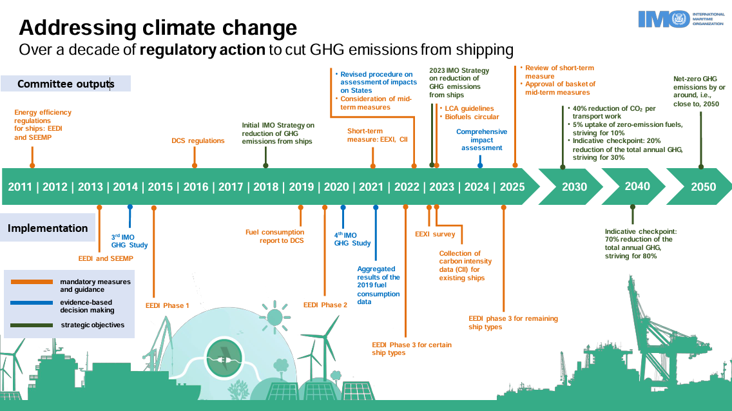
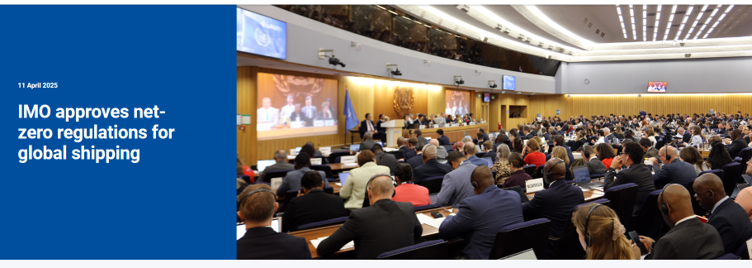
This research area examines the design, effectiveness and implications of international and regional policies and regulatory measures aimed at reducing greenhouse gas emissions from shipping.
This research covers a range of regulatory instruments, including market-based measures, carbon pricing mechanisms, greenhouse gas fuel intensity standards, energy-efficiency requirements, and incentives for the adoption of low- and zero-carbon fuels and technologies.
Through quantitative modelling, scenario analysis and policy evaluation, the research aims to assess the environmental and economic impacts of alternative regulatory approaches, providing evidence-based insights to support effective, economically viable and equitable maritime decarbonisation strategies.
2. Fleet Renewal and Decarbonisation Investment Strategies
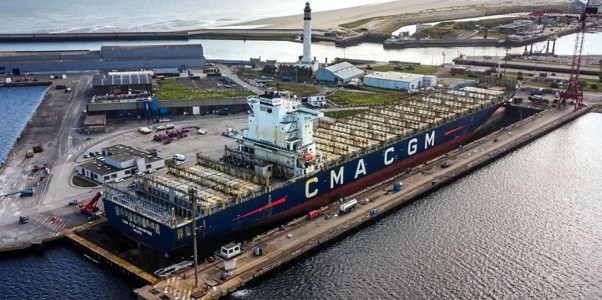
This research area examines the design, effectiveness and implications of international and regional policies and regulatory measures aimed at reducing greenhouse gas emissions from shipping.
This research covers a range of regulatory instruments, including market-based measures, carbon pricing mechanisms, greenhouse gas fuel intensity standards, energy-efficiency requirements, and incentives for the adoption of low- and zero-carbon fuels and technologies.
Through quantitative modelling, scenario analysis and policy evaluation, the research aims to assess the environmental and economic impacts of alternative regulatory approaches, providing evidence-based insights to support effective, economically viable and equitable maritime decarbonisation strategies.
3. Alternative Marine Fuels and Energy Transition Pathways
The availability, affordability and scalability of alternative marine fuels are critical determinants of the maritime energy transition.
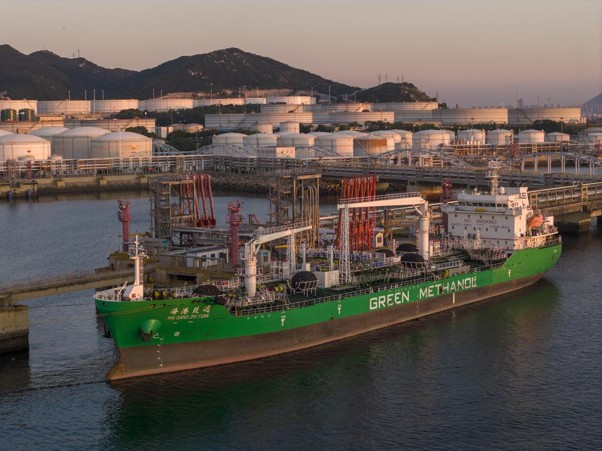
This research area investigates the potential adoption of low- and zero-carbon fuels, including green ammonia, methanol and other emerging energy carriers, taking into consideration fuel production capacity, infrastructure readiness, cost competitiveness and lifecycle greenhouse gas emissions.
By analysing alternative fuel transition scenarios, the research aims to identify potential bottlenecks, investment requirements and policy interventions that could accelerate the deployment of sustainable marine fuels.
4. Carbon Pricing, Revenue Distribution, and Just Transition
This research area examines the design, effectiveness and implications of international and regional policies and regulatory measures aimed at reducing greenhouse gas emissions from shipping.
This research covers a range of regulatory instruments, including market-based measures, carbon pricing mechanisms, greenhouse gas fuel intensity standards, energy-efficiency requirements, and incentives for the adoption of low- and zero-carbon fuels and technologies.
Through quantitative modelling, scenario analysis and policy evaluation, the research aims to assess the environmental and economic impacts of alternative regulatory approaches, providing evidence-based insights to support effective, economically viable and equitable maritime decarbonisation strategies.
5. Operational Efficiency and Systems-Level Emissions Reduction
This research area examines the design, effectiveness and implications of international and regional policies and regulatory measures aimed at reducing greenhouse gas emissions from shipping.
This research covers a range of regulatory instruments, including market-based measures, carbon pricing mechanisms, greenhouse gas fuel intensity standards, energy-efficiency requirements, and incentives for the adoption of low- and zero-carbon fuels and technologies.
Through quantitative modelling, scenario analysis and policy evaluation, the research aims to assess the environmental and economic impacts of alternative regulatory approaches, providing evidence-based insights to support effective, economically viable and equitable maritime decarbonisation strategies.