
ABOUT THE PROGRAMME
The Maritime Decarbonisation Research Programme at the Centre for Maritime Studies (CMS), National University of Singapore (NUS), seeks to advance research and develop practical and analytical solutions to support the global maritime industry's transition towards a low- and zero-carbon future.
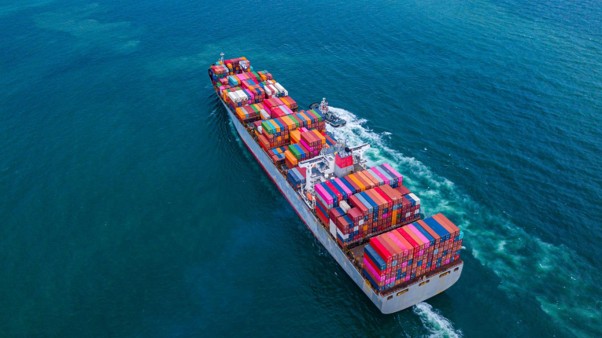
International shipping plays a vital role in facilitating global trade and economic development. However, decarbonising the sector presents significant challenges arising from technological uncertainties, alternative fuel availability, infrastructure requirements, regulatory developments and the complex interactions among stakeholders across the maritime value chain.
The transition requires coordinated efforts among shipowners, fuel producers, ports, regulators, financial institutions and other industry stakeholders. It also calls for a comprehensive understanding of the economic, operational and environmental implications of different decarbonisation pathways.
Drawing on CMS's expertise in maritime economics, operations research, optimisation, simulation and policy analysis, the programme adopts an interdisciplinary and systems-based approach to examine these challenges.
Through rigorous research, quantitative modelling and engagement with industry and policymakers, the programme aims to generate actionable insights that facilitate informed decision-making and support the development of effective, economically viable and equitable maritime decarbonisation strategies.
Research Objectives
The programme aims to contribute to the maritime industry's energy transition by developing analytical frameworks and decision-support tools that address the uncertainties and trade-offs associated with decarbonisation.
Its key objectives are to:
01
Evaluate the effectiveness and implications of international maritime decarbonisation policies and regulatory mechanisms
02
Develop quantitative models to support fleet renewal, fuel adoption and investment decisions under uncertainty
03
Assess the techno-economic feasibility and environmental effectiveness of alternative low-carbon marine fuels and energy-efficiency technologies
04
Assess the techno-economic feasibility and environmental effectiveness of alternative low-carbon marine fuels and energy-efficiency technologies
05
Facilitate knowledge exchange and collaboration among academia, industry and policymakers
Research Approach and Expected Contributions
The programme combines theoretical research with practical maritime applications through quantitative modelling, simulation and optimisation, scenario analysis and interdisciplinary collaboration.
By integrating technical, economic, operational and regulatory perspectives, CMS seeks to provide evidence-based insights that can inform maritime decarbonisation strategies at vessel, fleet and industry levels.
The programme's research is intended to contribute to the development of robust decision-support frameworks, effective regulatory mechanisms and economically sustainable transition pathways. These contributions aim to support the maritime industry's progress towards long-term greenhouse gas emissions reduction goals.
Industry Engagement and Collaboration
The programme combines theoretical research with practical maritime applications through quantitative modelling, simulation and optimisation, scenario analysis and interdisciplinary collaboration.
By integrating technical, economic, operational and regulatory perspectives, CMS seeks to provide evidence-based insights that can inform maritime decarbonisation strategies at vessel, fleet and industry levels.
The programme's research is intended to contribute to the development of robust decision-support frameworks, effective regulatory mechanisms and economically sustainable transition pathways. These contributions aim to support the maritime industry's progress towards long-term greenhouse gas emissions reduction goals.
Contact Us
For enquiries regarding the Maritime Decarbonisation Research Programme, research collaborations, or related publications, please contact: askcms@nus.edu.sg